

Blended learning combines face-to-face instruction with online learning activities, giving students the advantages of both classroom interaction and digital flexibility. When it is planned well, it can make learning more engaging, more personalized, and easier to continue beyond the school day.
More flexibility without losing structure
Traditional classroom schedules give students consistency, while online activities allow them to review material when they need more time. A blended approach can give learners access to readings, videos, practice activities, and assignments outside class while still keeping teacher guidance at the center of the experience.
Learning can become more personalized
Students do not all learn at the same speed. Digital lessons make it easier to revisit difficult concepts, repeat practice, or move ahead when a topic is already familiar. Teachers can also use quiz results and online activity to see where students may need additional support.
More ways to participate
Some students are comfortable speaking during class, while others contribute more thoughtfully through written responses, discussion boards, or collaborative online work. Blended learning creates multiple ways to participate, which can help more students become active members of the learning process.
Better preparation for digital learning and work
Using learning platforms, shared documents, digital research tools, and online communication helps students build skills they are likely to use in college and in the workplace. The goal is not to replace teachers with technology, but to use technology to support stronger teaching and more independent learners.
The best blended learning is intentional
Simply adding a laptop or an online assignment does not automatically improve learning. The strongest blended courses use each format for what it does best: classroom time for explanation, discussion, feedback, and relationships; digital tools for practice, review, access, and flexibility. When those pieces work together, students get a learning experience that is both structured and adaptable.
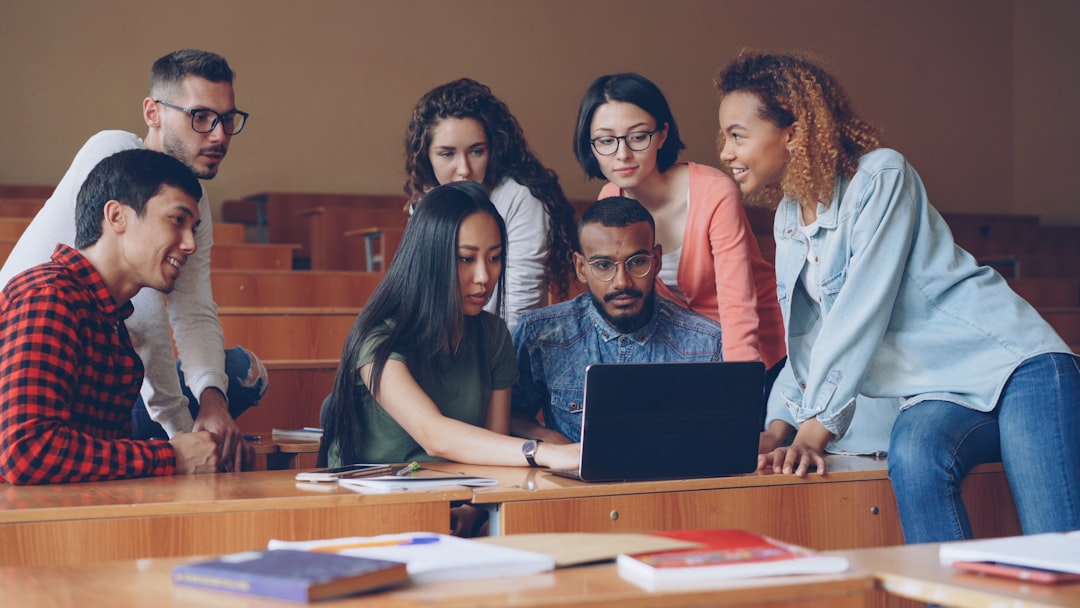
Featured photo by Anthony Da Cruz on Unsplash.

Leave a Reply